
Restoration Company SEO demands a carefully crafted backlink profile to elevate a firm above competitors. By securing authoritative links from reputable domains, a restoration business can significantly boost its domain authority, organic visibility, and local prominence. In today’s digital landscape, a cohesive link-building strategy fuels sustainable growth, converting web visitors into qualified leads for services like water damage restoration, fire cleanup, and mold remediation. This guide unpacks every step—from identifying target opportunities to maintaining link quality—ensuring restoration firms build a robust foundation for long-term online success.
Why do restoration companies need backlinks?
Backlinks act as votes of confidence in Google’s eyes, signaling that a site offers valuable content. For a restoration company, these endorsements translate into improved search rankings for high-intent keywords like “emergency flood cleanup” or “24/7 fire damage repair.” When a restoration business appears at the top of page one, it gains instant credibility, encouraging prospective clients to click through and call for immediate assistance. A strategic backlink profile not only enhances organic traffic but also fosters brand trust during peak moments of customer need.
Building a link-building strategy tailored to restoration services ensures every referral aligns with business goals. By collaborating with local contractors, industry associations, and insurance agencies, a restoration website can earn contextually relevant backlinks. This relevance further strengthens domain authority, making major search engines more likely to rank the site for targeted restoration queries.
In addition to boosting rankings, backlinks drive referral traffic from industry blogs, directories, and partner sites. Visitors clicking through these links arrive with a baseline level of interest, increasing conversion potential for services like mold remediation or storm damage repair. Over time, a diverse backlink profile—including dofollow and nofollow links—helps a restoration company weather algorithm updates and maintain steady growth.
How Restoration Company SEO benefits from authority building

Restoration Company SEO thrives on accumulating credible, high-quality backlinks that reinforce a site’s expertise. Authority building begins by mapping out key service pages—such as water damage repair or fire restoration—and seeking links from authoritative sources. This process might involve contributions to restoration industry publications, sponsorship of local disaster preparedness events, or guest posts on home improvement blogs.
When executed correctly, each new backlink amplifies a site’s trust signals. Search engines interpret numerous endorsements from relevant domains as proof of a website’s reliability. Over time, this cumulative authority positions a restoration company ahead of competitors for crucial keywords, ensuring that when a homeowner in crisis searches online, the company’s website is not just visible but also top-ranked.
Authority building also leverages metrics like domain rating and trust flow to measure progress. Setting quarterly targets—for example, achieving a trust flow of 20+ or earning 10 new referring domains per month—keeps the campaign on track. Restoration firms that track these benchmarks can refine outreach tactics, prioritize link partnerships, and allocate resources where they deliver the most impact.
Sustained authority building fosters a virtuous cycle: as a website climbs the rankings, it naturally attracts more editorial mentions and backlink opportunities. This organic momentum lightens the load on active outreach efforts, allowing restoration companies to scale their link profile more efficiently and focus on delivering exceptional service.
What are the best strategies for link-building strategy in the restoration industry?
A successful link-building strategy in the restoration industry begins with a clear understanding of target audiences and service offerings. Three pillars anchor most campaigns:
- Guest Posting on Niche Blogs Writing authoritative articles for home improvement, insurance, or disaster recovery blogs positions the company as an expert. Each published post should include a contextual backlink to the restoration site’s service pages.
- Local Partnerships and Directories Collaborating with insurance agents, realtors, and local contractors yields high-relevance citations. Directory listings on platforms like Yelp, Angie’s List, and industry-specific portals also provide valuable links.
- Resource and Data-Driven Content Publishing whitepapers, case studies, or interactive tools (e.g., water damage cost calculators) encourages inbound links from reference sites, trade associations, and local news outlets.
Consistency is crucial: a monthly outreach cadence and a rotating list of target sites prevent link velocity from appearing unnatural. By diversifying tactics across guest posts, citations, and asset-based outreach, a restoration company ensures its backlink profile remains balanced and resilient.
LSI Keyword Integration: domain authority and guest posting
A strong backlink profile hinges on monitoring domain authority, which predicts how well a site will rank in search engine results. Domain authority scores, provided by tools like Moz or Ahrefs, aggregate factors such as the number and quality of referring domains. Prioritizing guest posting opportunities on high-authority sites can directly boost this score, paving the way for improved performance across competitive restoration and emergency service keywords.
Guest posting also facilitates networking with industry insiders. Each collaboration creates opportunities for co-created assets, joint webinars, or sponsored content—each a potent avenue for natural backlinks that elevate both parties’ online presence.
How to identify authoritative websites and restoration industry links?

Discovering the right backlink partners begins with competitive analysis. Tools like Ahrefs’ Site Explorer reveal where top-performing restoration companies earn their links. By reverse-engineering competitor profiles, restoration firms can compile lists of:
- Niche forums and community sites
- Industry blogs and news outlets
- Local business associations and chambers of commerce
- Insurance-related resource pages
Next, evaluate each potential domain’s metrics—domain rating, trust flow, and organic traffic volume—to ensure links will contribute positively. Avoid sites with spammy link practices or irrelevant topics, as low-quality backlinks can harm search visibility.
Once a shortlist is in place, map link opportunities to specific service pages on the restoration website. Personalizing outreach messages to highlight mutual benefits and demonstrating expertise increases the likelihood of securing placements.
What metrics define a strong backlink profile for a restoration company?
Measuring backlink health requires tracking multiple indicators. A concise table can illustrate typical benchmarks for restoration firms:
| Metric | Definition | Benchmark |
|---|---|---|
| Referring Domains | Unique domains linking to the site | 50+ |
| Domain Rating | Ahrefs score out of 100 | 40+ |
| Trust Flow | Majestic trust score | 20+ |
| DoFollow Ratio | Percentage of links that pass SEO value | 65–80% |
| Organic Traffic Increase | Year-over-year growth in organic visitors | 20%+ |
Restoration companies should audit these metrics monthly, adjusting outreach and content strategies based on performance. Emphasizing a diversified link portfolio—spanning local citations, industry publications, and guest posts—helps balance the ratio of DoFollow to NoFollow links and mitigates risk from algorithm changes.
How to implement a sustainable link-building strategy over time?
A link-building strategy gains traction through ongoing, scalable processes rather than one-off campaigns. Key steps include:
- Content Calendar with Link-Attractive Assets Plan blogs, infographics, and guides on topics like “What to Do After a House Fire” or “How Insurance Handles Water Damage.” Well-researched, evergreen content naturally attracts links.
- Automated Outreach Workflows Use CRM tools to manage contact lists, personalized templates, and follow-up reminders. Track responses and conversion rates to refine messaging.
- Quarterly Link Audits Review new backlinks for quality and relevance. Disavow any harmful links and replace them with higher-value partnerships.
By embedding these routines into marketing operations, a restoration business ensures steady backlink growth aligned with seasonal demand—such as storm season or winter freeze-thaw cycles—while maintaining high standards of link relevance and authority.
When evaluating site factors, one should not overlook the impact of Restoration Company SEO links in relevant niches.
How to leverage local partnerships and citations for backlinks?
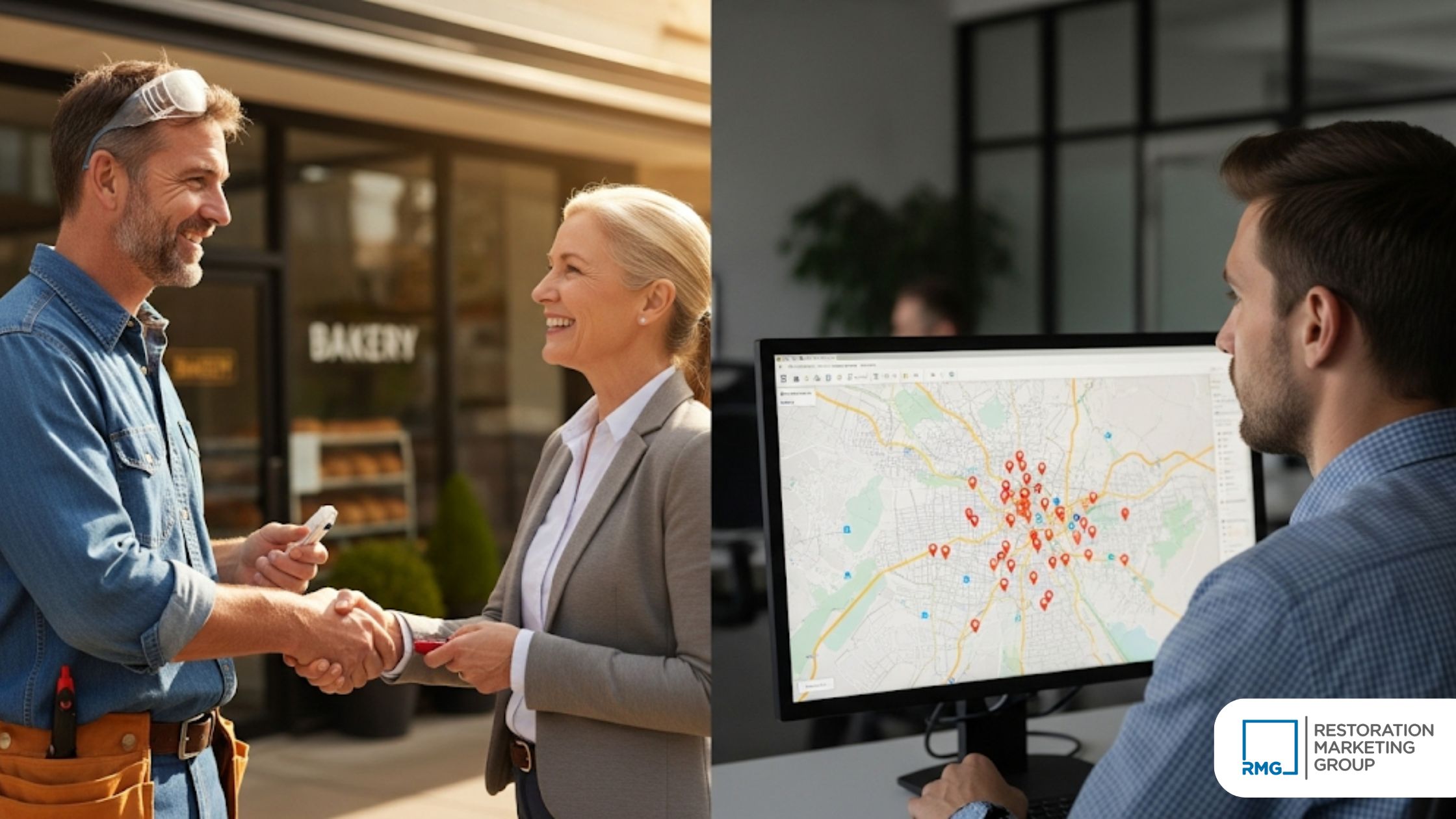
Local citations remain a cornerstone of regional SEO success. Restoration companies can:
- Join and sponsor local business associations and chambers of commerce.
- Offer educational workshops on disaster preparedness at community centers.
- Collaborate with insurance agents for joint webinars, earning backlinks from insurance blogs.
Each partnership yields contextually relevant backlinks that reinforce local search signals. Consistency in NAP (Name, Address, Phone Number) across all citations further amplifies local authority, helping the business appear in the Google Map Pack for queries like “storm damage repair near me.”
To strengthen regional outreach, collaboration with local chambers of commerce can enhance Local SEO for Restoration Companies, generating high-quality citations and backlinks that resonate with local search intent.
How to use content marketing and resource pages to gain authoritative links?
Content marketing extends beyond blogs. Restoration companies should develop in-depth resources such as:
- Detailed case studies showcasing before-and-after project workflows.
- Interactive checklists for homeowners preparing for seasonal risks.
- Downloadable whitepapers on mold remediation best practices.
These assets serve as link magnets. Outreach emails that invite industry partners to reference the resources on their own sites often yield high-value backlinks. Infographics and data visualizations also encourage sharing by local news outlets and trade publications, multiplying link opportunities without additional guest posting.
Monitoring and maintaining a strong backlink profile
A backlink profile is not static. Ongoing maintenance involves:
- Monthly reviews with tools like Google Search Console and Ahrefs to detect lost or broken links.
- Reaching out to webmasters to reclaim high-value links pointing to outdated URLs.
- Disavowing spammy or irrelevant backlinks that could trigger penalties.
Regular monitoring enables swift action when links vanish or deteriorate in quality. By pairing monitoring with continuous outreach campaigns, restoration companies preserve link equity and ensure upward momentum in search rankings.
Contact us to explore tailored link-building solutions that align with specific objectives and brand values.
Conclusion
Building a strong backlink profile for a restoration company website requires strategic planning, authoritative content, and disciplined outreach. A balanced mix of guest posting, local citations, and resource marketing elevates domain authority and drives highly qualified traffic. By regularly auditing link health and nurturing partnerships within the restoration and insurance sectors, businesses safeguard their SEO performance against algorithm updates. For restoration firms seeking expert guidance, Restoration Marketing Group leverages a decade of experience in crafting link-building strategies that deliver measurable growth and long-term authority in competitive markets.
Frequently Asked Questions
Why do restoration companies need backlinks?
Backlinks validate a restoration company’s expertise in Google’s algorithm. By earning links from reputable sites—such as industry blogs and local directories—a business secures higher rankings for urgent search terms, turning distressed homeowners into inbound leads.
What are backlinks and guest blogging?
Backlinks are external links pointing to a website, signaling trust and relevance to search engines. Guest blogging involves writing articles for another site in exchange for a contextual backlink, positioning the author as an industry thought leader.
How often should a restoration company audit its backlink profile?
Restoration firms should conduct a thorough backlink audit quarterly. This cadence allows time to accumulate new links while providing regular checkpoints to remove toxic backlinks and reclaim lost link equity.
Can social media profiles influence backlink authority?
While social profiles typically yield nofollow links, they amplify content reach and can indirectly generate dofollow backlinks when followers share resource pages or blog posts on their own websites or industry forums.
What mistakes should restoration companies avoid in link building?
Common pitfalls include chasing low-quality directory links, neglecting content relevance, and over-optimizing anchor text. Restoration companies should focus on natural link acquisition, prioritizing domain authority and contextual alignment with service pages.
Recent Comments